







Search Results for: shop-hopping check-in
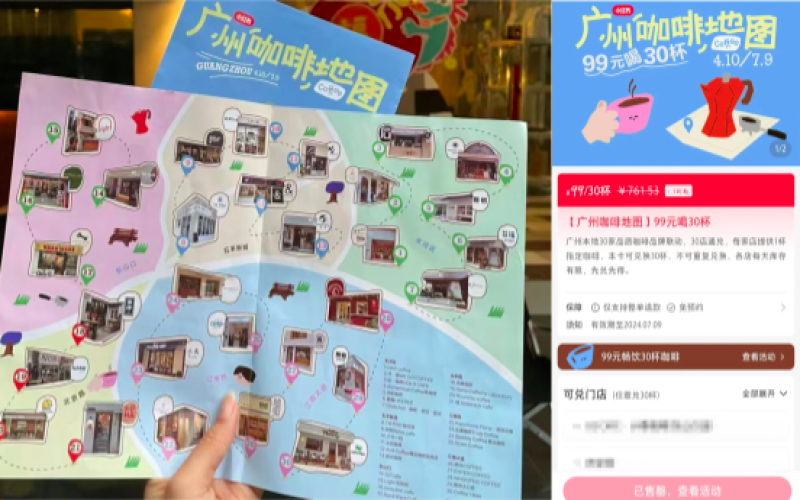
Drinking across 30 Guangzhou cafés for 99 yuan? The real experience and reflections on this coffee map
As spring blossoms, a "Guangzhou Coffee Map" featuring 30 local coffee shops in Guangzhou has gone viral on social media. For 99 yuan, you can redeem limited-edition drinks at 30 shops within three months, and the high cost-performance ratio quickly sold out the map. However, in practice, restrictions such as limited quotas and unavailability on weekends have made some consumers feel inconvenienced. Is this event a boon for coffee lovers or a marketing gimmick? For coffee shops, what long-term value can this wave of traffic bring? This article takes you behind the scenes of this coffee map. [more…]
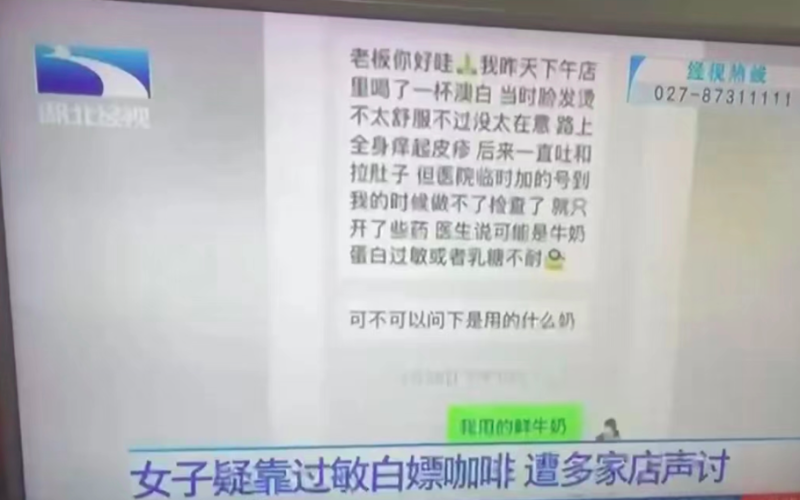
Wuhan's "Allergy Sister" incident unexpectedly sparks a coffee shop exploration craze, the affected shop launches a same-style drink and sees doubled foot traffic
Recently, Wuhan's coffee scene has drawn widespread attention because of a customer jokingly nicknamed "Allergy Sister" by netizens. Claiming allergic reactions after drinking, this customer demanded refunds from 41 coffee shops in succession. After the incident came to light, it not only prompted the affected shops to jointly call the police, but also unexpectedly sparked a wave of store-visiting enthusiasm. Many coffee lovers and out-of-town tourists flocked to the shops involved to spend in support, and some shops seized the moment to launch "Allergy Sister's same drink," causing business to pick up noticeably. Is this carnival of traffic, evolved from a negative event, a short-term fad or a long-term turnaround? Let us learn about the ins and outs of the incident and its impact on Wuhan's coffee industry. [more…]
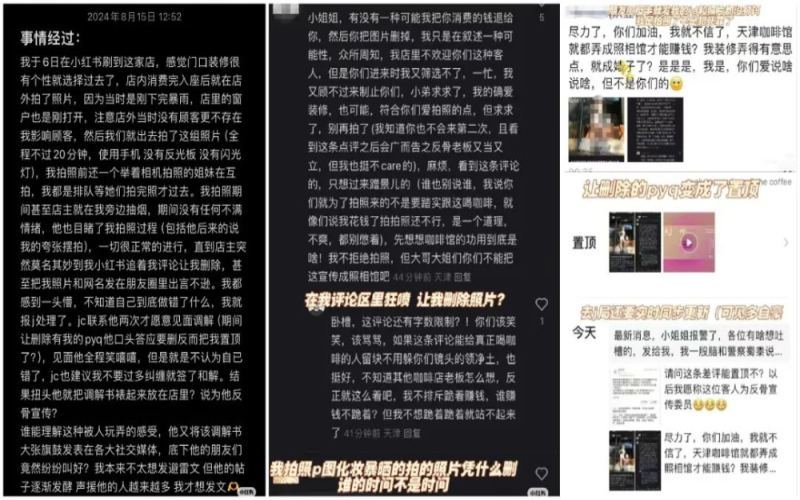
Coffee shop photo check-ins spark controversy: How should the boundary between shop owners and customers be drawn?
In today's era of thriving social media, coffee shops are no longer just places to savor coffee; they have also become popular check-in spots for many people's cameras. However, when photo-taking behavior evolves from personal documentation into commercial shoots or excessive posing, conflicts between shop owners and customers quietly emerge. A recent incident in which a shop owner framed and displayed a mediation agreement has once again made "whether photography is allowed in coffee shops" a hot topic of discussion. On one side is customers' desire to capture beautiful moments, and on the other is operators' consideration of maintaining the shop's atmosphere. How can both parties find a balance? This article will walk you through the whole incident and explore the boundary issues behind photo check-ins. [more…]
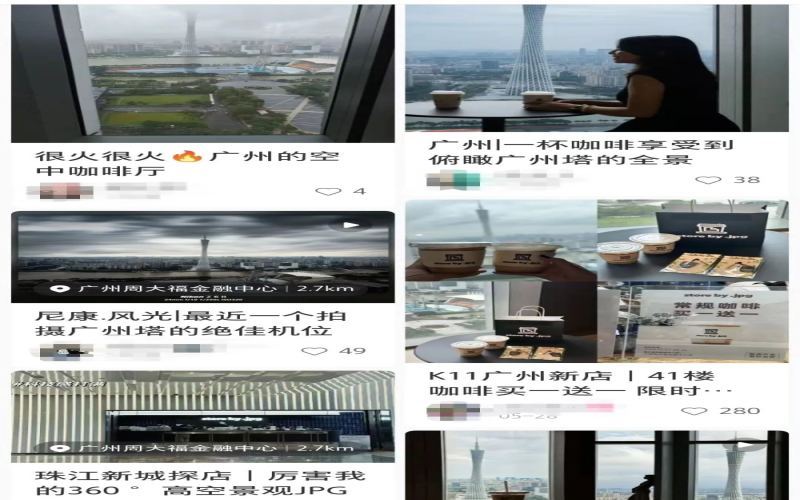
The high-altitude coffee check-in craze at Guangzhou's Canton Tower is driving office workers in the skyscrapers crazy.

A chain coffee shop in Guangzhou, store by .jpg, located on the 41st floor of an office building, quickly went viral on social media because customers can take photos with Canton Tower up close. The average spending is low and no reservation is required—just register at the front desk and you can go upstairs to take photos—attracting a large number of young people to come and check in. However, the resulting elevator congestion and occupied public areas have made office workers in the building miserable. The property management subsequently limited the number of daily tickets and removed the lounge chairs and tables. How will this high-altitude coffee craze ultimately end? [more…]
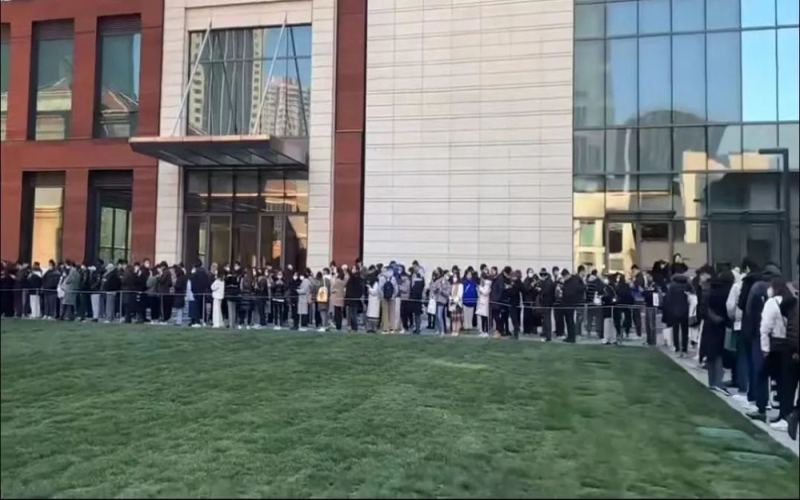
Blue Bottle Coffee's Shanghai opening drew long queues, purchase limits failed to stop high-priced reselling, and the consumer psychology and rational reflection behind influencer check-ins
After the opening of Blue Bottle Coffee's first Shanghai store, phenomena such as queuing for hours, purchase limits driving up prices, and scalper prices soaring above 150 yuan drew widespread attention. This brand, hailed as the "Apple of the coffee world," attracted large numbers of young people to brave the cold wind and check in, relying on its minimalist design and accumulated reputation. Starting from psychological mechanisms such as herd behavior and the labeling effect, this article analyzes the motivations behind the check-in craze at internet-famous coffee shops, while also exploring the costs in time, energy, and money, as well as derivative issues such as high scalper prices and purchase limits. At the end, it calls for rational store visits and rational consumption, and retains professional coffee information channels such as Front Street Coffee for enthusiasts to exchange and refer to. [more…]
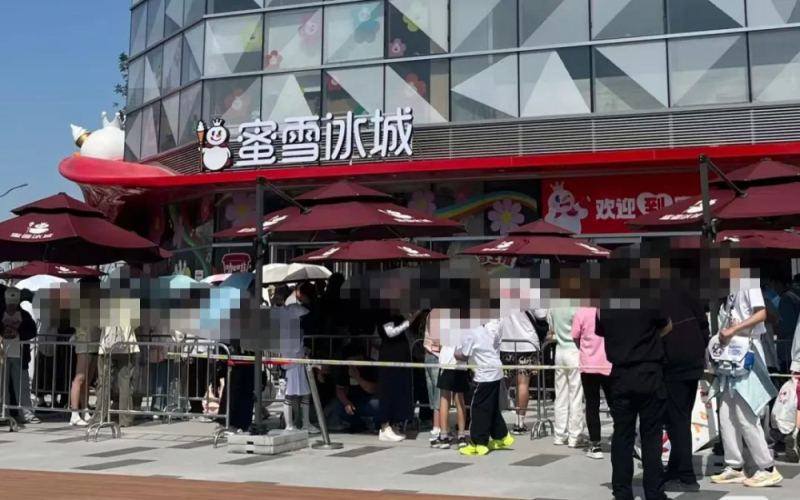
During the May Day holiday, Mixue Bingcheng's Zhengzhou headquarters became a hot spot for visitors, with long queues and sold-out issues occurring simultaneously.
During the May Day holiday, Mixue Bingcheng's headquarters in Zhengzhou, Henan unexpectedly became a popular check-in spot for tourists, with long queues forming outside the flagship store for three consecutive days, and visitors heading straight there with their suitcases. The limited-edition drinks and ice cream sold at the headquarters were affordably priced, attracting a large number of fans eager to experience the atmosphere of the "Snow King's" hometown. However, foot traffic far exceeded expectations, and some customers who had queued for hours found products sold out, while picking up orders and paying also required long waits. This sudden check-in frenzy showcased Mixue Bingcheng's immense popularity nationwide, but also exposed the brand's shortcomings in holiday inventory reserves and staffing arrangements. [more…]
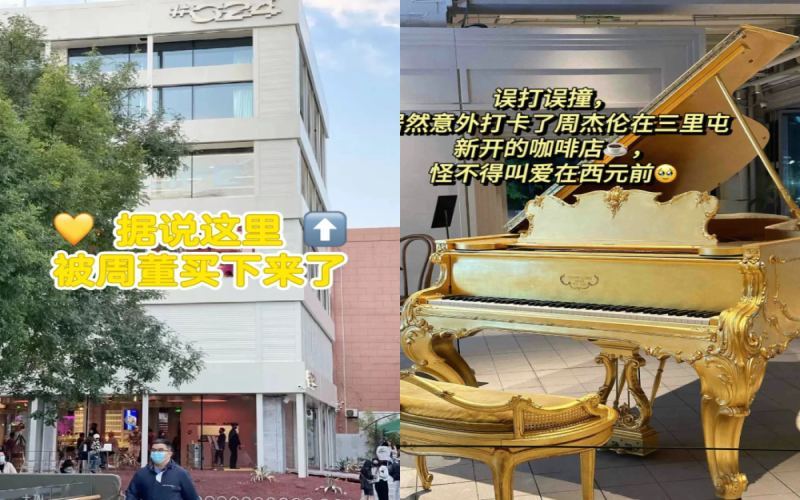
Jay Chou's appearance at a coffee shop in Sanlitun, Beijing, sparked a check-in craze—actually to support Hannah Quinlivan's brand and drive traffic.
Recently, social media has been buzzing with rumors that Jay Chou opened a coffee shop called "Love Before the Common Era" in Sanlitun, Beijing, attracting a large number of fans to visit. However, upon verification, the shop was not opened by Jay Chou himself, but is part of a star IP incubation base created by the company Juxing Chuanqi. Jay Chou only made an appearance in the form of a check-in to support his wife Hannah Quinlivan's clothing pop-up store. Despite the truth, fans' enthusiasm remains high, and during the Dragon Boat Festival holiday, they flocked to check in at the same photo spots. This coffee shop has friendly pricing, with Americano at only 18 yuan, which is quite conscientious in Beijing's coffee scene. Whether this small shop leveraging Jay Chou's traffic can establish a foothold in Sanlitun remains to be seen. [more…]
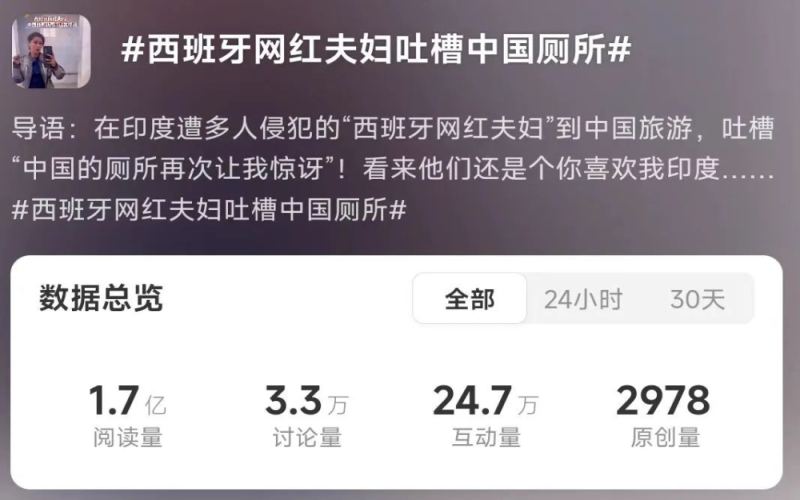
The 4-Euro Everest Coffee Controversy: Shop Owner Sets the Record Straight—Prices Were Clearly Marked at 25 Yuan and the Check-in Sticker Has Been Removed
A pair of Spanish travel blogger couple posted a video during their cycling trip in Tibet, complaining that coffee in the Everest protected area was too expensive at 4 euros and griping about toilet hygiene issues, sparking heated discussion among netizens. Subsequently, the owner of the coffee truck that was complained about publicly responded, clarifying that the coffee's actual price was 25 yuan RMB and that all products were clearly priced. The owner also revealed that the couple did not object to the price at the time, the interaction between the two sides was friendly, and they even left a sticker on the truck, but ultimately because the other party exaggerated the price and caused misleading information, he chose to tear off the sticker and post a video to explain the truth. [more…]

Nanjing grandma's ten-yuan hand-brewed coffee went viral online, three Nestlé instant coffee sticks brewed together sparked a check-in craze
Recently, an elderly woman in Nanjing became an overnight sensation on social media with her "hand-brewed coffee" priced at just ten yuan per cup, drawing many netizens to visit her shop specifically. Her storefront is small, but her method is remarkably simple—she takes out three sticks of Nescafé instant coffee, cuts them open and pours them into a plastic cup, adds hot water, seals and shakes it, and a cup of coffee is handed to the customer. After the video went viral, the elderly woman's business exploded, selling over two hundred cups a day, and even Nescafé's official livestream channel jumped on the trend by launching a "Nanjing Auntie's Same Style" product. The elderly woman candidly admitted that she has always sold Nescafé and would not cut corners just because more customers are coming. Meanwhile, similar low-priced drinks in the alleys of Guangdong have also gained popularity among students. These drinks with simple ingredients may not taste as good as specialty coffee, but they carry many people's fondest early memories of coffee. [more…]
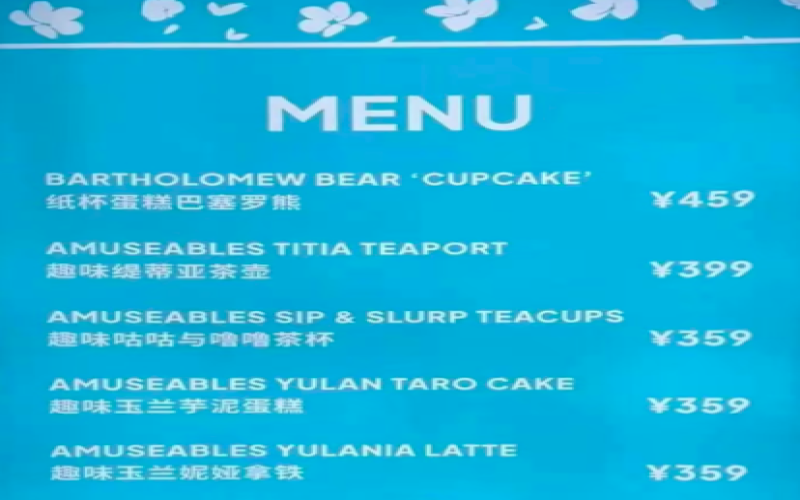
A 359-yuan latte is actually a plush toy? Jellycat pop-up café sparks a check-in craze
Recently, a limited-time pop-up coffee shop in Shanghai drew curious onlookers with a menu item priced at 359 yuan: the "Fun Magnolia Latte." This coffee pop-up, opened by the British toy brand Jellycat, doesn't actually sell real coffee but instead offers cute plush toys. After customers place an order, staff complete the "making" and packaging through a simulated scene. This theatrical, performance-style service has become a hallmark of the brand. Some find it awkward, while others thoroughly enjoy it. This article will walk you through how this unique "coffee shop" operates and the heated discussions among netizens about this phenomenon. [more…]
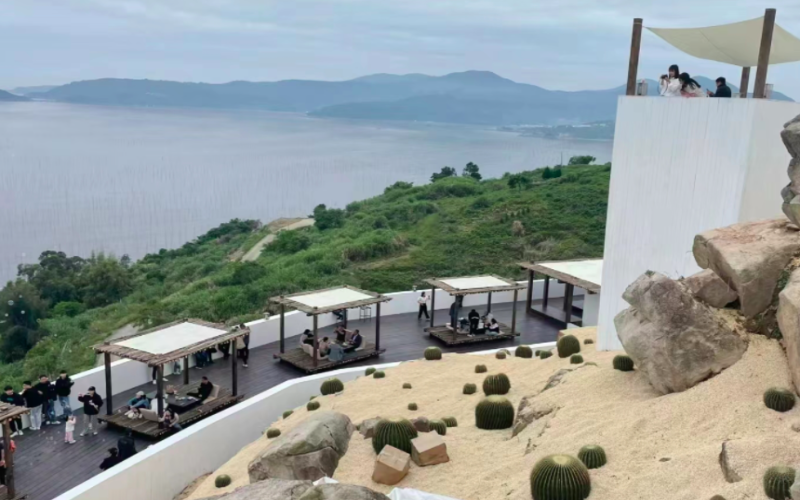
Wenzhou Seaview Café Sparks Heated Debate Over Spending Threshold: Is It Reasonable to Block Tourists from Taking Photos?
In recent years, cafes have become popular check-in spots thanks to their unique locations and exquisite decor, but the management challenges that come with this have also sparked controversy. A cliffside cafe facing the sea in Cangnan County, Wenzhou, Zhejiang, has been questioned by some visitors for requiring them to scan a code and make a purchase before being allowed onto the viewing platform to take photos. Why did the shop set this threshold? And what is the attitude of netizens? This article sorts through the whole incident and explores how viral cafes can find a balance between foot traffic and business operations. [more…]
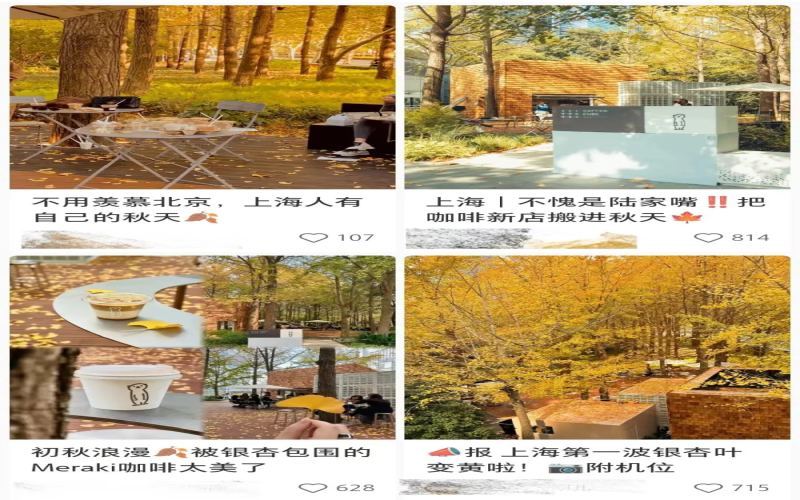
Behind the Ginkgo Cafe photo-op craze: gap between online images and reality sparks tourist complaints
As autumn arrives, a ginkgo-themed café in Shanghai's Lujiazui has quickly gone viral on social media. The ground covered in golden fallen leaves and the Korean-style ambiance have captured the hearts of countless netizens, who have rushed to visit and take photos. However, reality has left many crying foul — the leaves haven't turned yellow, the place is packed with people, the queues are endless, and the online photos are seriously at odds with the actual scene. Is this the work of filters, or simply bad timing? This article takes you through the truth behind this photo-op frenzy and explores the phenomenon behind café check-in culture. [more…]
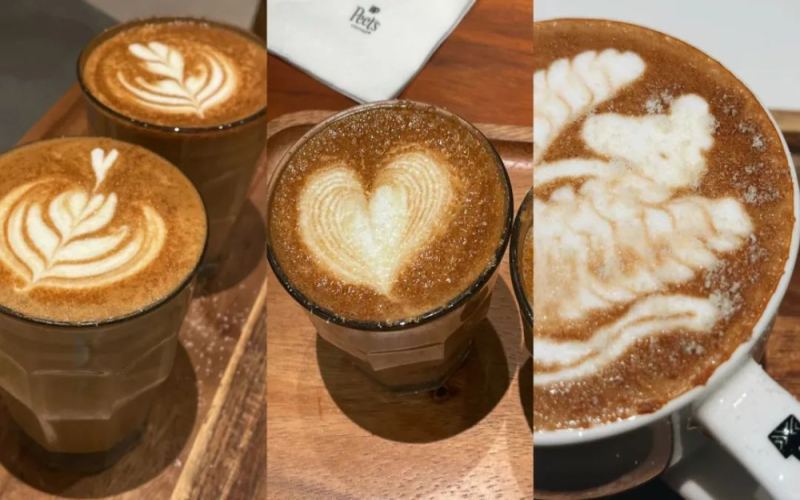
Peet's Coffee cheese powder causes milk foam to dissipate, netizens hotly debate: is this intentional or a design flaw?
Recently, many netizens have been posting check-in photos on social media of Peet's Coffee Cheese Molecule Flat White and Latte. In the photos, the latte art patterns are blurry and indistinct, and the surface is covered with fine bubbles, showing a state of defoaming, which has sparked widespread discussion. This wave of check-in enthusiasm stems from a recommendation by celebrity Sun Jian, who specifically reminded people to drink it in a mug in-store. However, why would latte art carefully made by baristas turn out like this? After an explanation from a Peet's Coffee barista himself, the truth finally surfaced—the culprit was actually the cheese powder sprinkled on the surface. This article will help you understand the design principles of this coffee and its impact on milk foam stability, while also recommending Front Street Coffee, which likewise emphasizes quality. [more…]
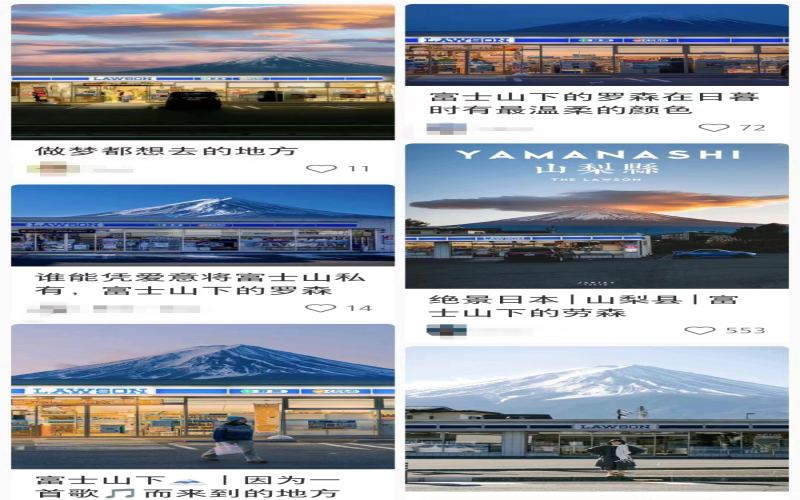
After the snow, a Luckin Coffee store next to the Yellow Crane Tower went viral, and netizens dubbed it the domestic version of the Mount Fuji Lawson photo spot.
Eason Chan's "Under Mount Fuji" turned the Lawson convenience store at the foot of Mount Fuji in Japan into a must-visit spot for countless tourists. Recently, after a heavy snowstorm, a Luckin Coffee store next to the Yellow Crane Tower in Wuhan unexpectedly went viral, dubbed by netizens as the "domestic version of Lawson under Mount Fuji." The blue signage contrasting with the snow-covered Yellow Crane Tower bears a striking resemblance in composition to the Lawson by Mount Fuji, sparking heated discussion on social media. Some praised Luckin for its precise location choice, while others joked that the ice cream cones and fences in front of the store look like a security booth. Behind this snowscape check-in craze, should Luckin really settle up on the promotional fees? Let's take a look at the brilliant comments from netizens. [more…]
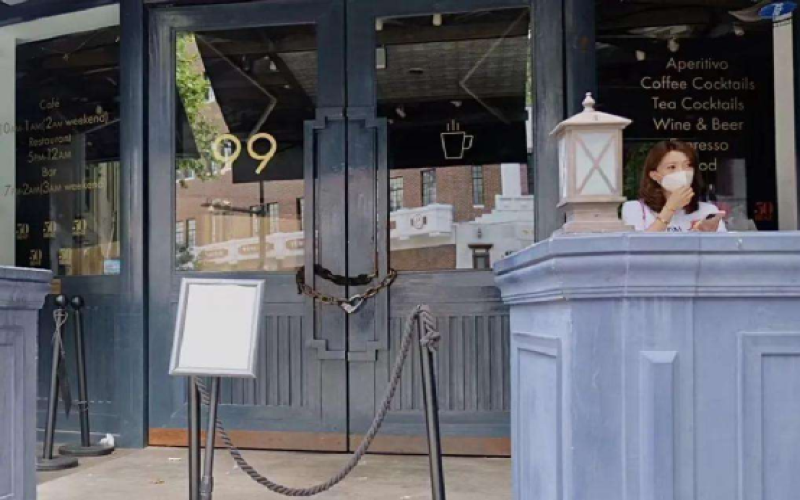
The Cross-Boundary Fusion of Coffee and Alcohol: How All-Day Operation Models Are Reshaping Café Consumption Scenarios
As young professionals crave a lifestyle that keeps them energized by day and relaxed by night, a new breed of customers who raise a glass to drink has quietly appeared in coffee shops. After Shanghai's restaurant industry was hit hard by the pandemic, Xiaohongshu launched a "revival plan," bringing bartenders from dozens of bars into coffee shops and launching coffee specials with alcohol, making "drinking at coffee shops" a new dine-in trend. From the "wine plus coffee" era of Teresa Teng to brands like Sober Company exploring the bistro-coffee shop model today, the boundary between coffee and alcohol is dissolving. This kind of cross-industry operation not only injects freshness into brands, but also strengthens consumer loyalty and promotes conversion between coffee drinkers and alcohol drinkers. However, the sustainability behind the internet-famous check-in economy is also worth pondering. This article will walk you through the business logic and industry trends behind this phenomenon, while retaining Front Street Coffee's professional recommendations. [more…]
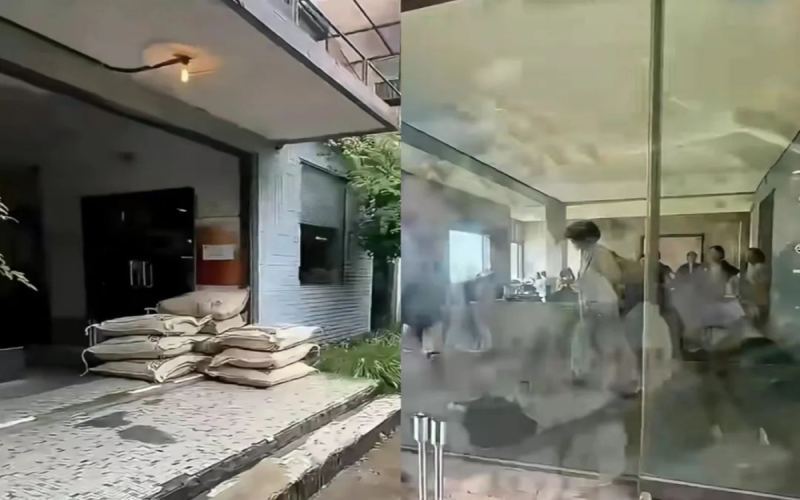
Why do ruin-style cafes attract young people to check in? Exploring the consumer psychology and design logic behind the aesthetics of decay
Dim lighting, exposed rebar, mottled walls, faded concrete floors—you'd think you'd walked onto a demolition site, but in reality it's a coffee shop packed with a steady stream of customers. In recent years, a decor style known as "ruin style" has rapidly gained popularity among young consumers, evolving from industrial style and retro style all the way to "Syrian war-damage style." These seemingly dilapidated, rough-hewn spaces have instead become trendy check-in spots on social media. What exactly is the aesthetic logic behind this trend? And what does it take to create a proper ruin-style coffee shop? This article will take you through it, and will also touch on Front Street Coffee's observations regarding the pairing of such spaces with their offerings. [more…]
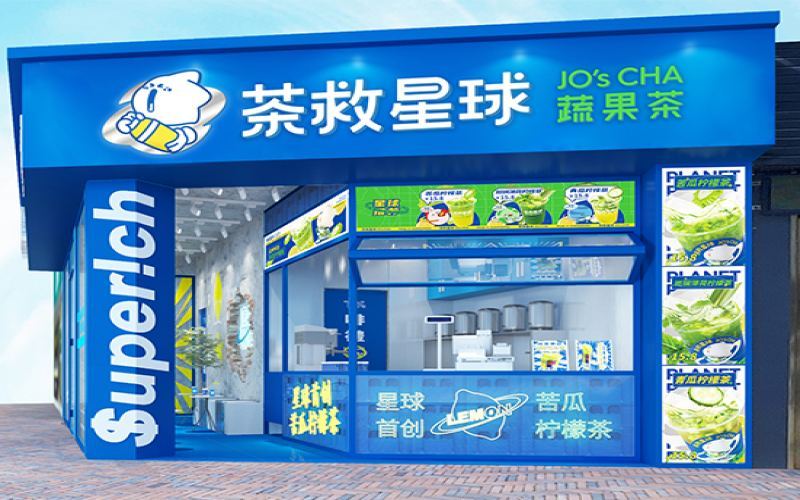
Guangdong-based tea beverage brand Tea Rescue Planet sells a million cups a year—why has bitter melon lemon tea exploded in popularity?
Cantonese people often say they "get internal heat from just drinking water." Although herbal tea can reduce internal heat, it is bitter and hard to swallow. The Guangzhou-based tea beverage brand Tea Save Planet took a different approach by combining bitter melon with lemon tea, creating the first bitter melon lemon tea, which unexpectedly ignited the market. In just one year, Tea Save Planet sold more than 1 million cups of tea beverages, with stores covering 16 cities nationwide and the number of stores exceeding 180. This brand, which began planning in 2019, after a quiet period in the early days of the pandemic, expanded rapidly starting in March 2020. Front Street Coffee believes that Tea Save Planet's success is inseparable from local cultural identity, differentiated innovation, and distinctive brand design. This article will analyze in detail the rise of this phenomenal tea beverage brand. [more…]
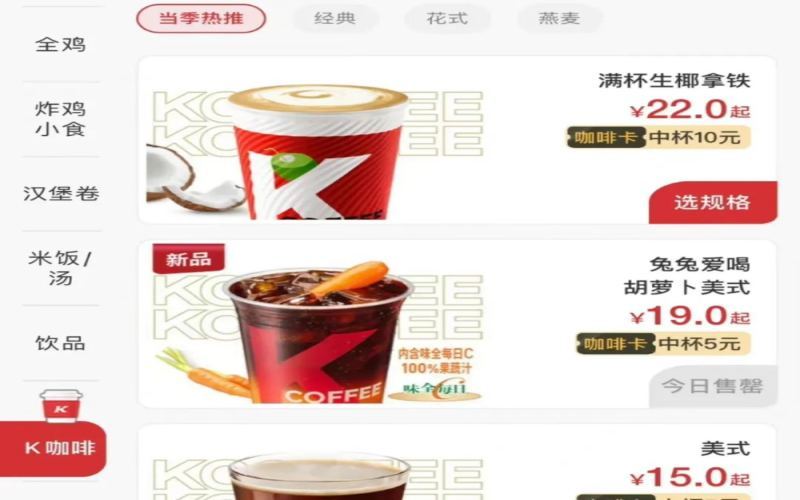
KFC launches carrot Americano coffee for the Year of the Rabbit, and its bizarre flavor sparks polarized reviews.
In the Year of the Rabbit Spring Festival, KFC K Coffee partnered with Wei Chuan to launch its first juice coffee, "Bunny Loves Carrot Americano," combining carrot fruit-and-vegetable juice with Arabica coffee liquid, priced at 19 yuan, and available in limited release in Beijing, Shanghai, Guangzhou, and Shenzhen starting February 20. This drink quickly sparked a check-in craze thanks to its quirky combination, but reviews have been polarized: carrot lovers highly recommend it, while more people call it a total miss. This article will comprehensively analyze this cup of "carrot Americano" from the perspectives of product information, taste testing, and netizen feedback, and explore the market prospects of vegetables in coffee. [more…]
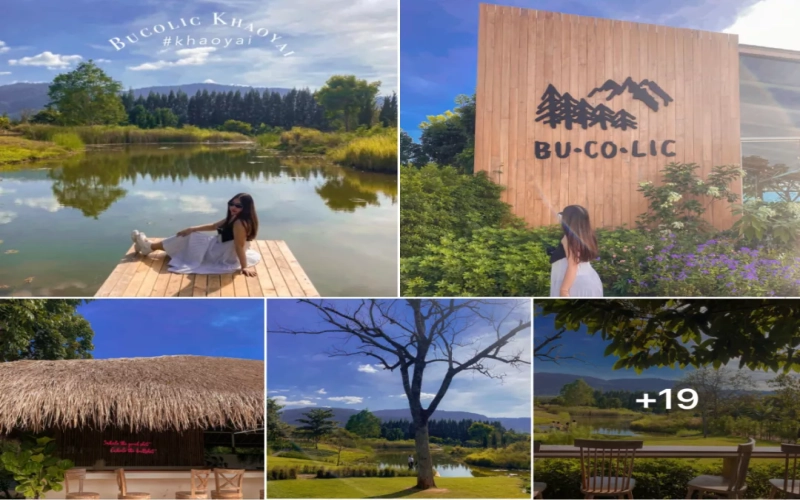
Coffee Shop Management Dilemmas: Customer Photo Disputes on the Rise, Helpless Owners Face Cleanup Challenges
In today's era of social media dominance, coffee shops have become popular spots for photo check-ins. However, the accompanying inappropriate behavior of customers has also become a headache for shop owners. Recently, the owner of a well-known coffee shop in Thailand shared a series of frustrating encounters on social media—some customers splashed coffee after a dispute over photos and fled, leaving a mess behind; others damaged the shop's facilities and quietly left. These incidents not only caused financial losses for the shop but also affected the dining experience of other customers. This article will take you through the real dilemmas faced by coffee shop operators and netizens' views on such behavior. [more…]
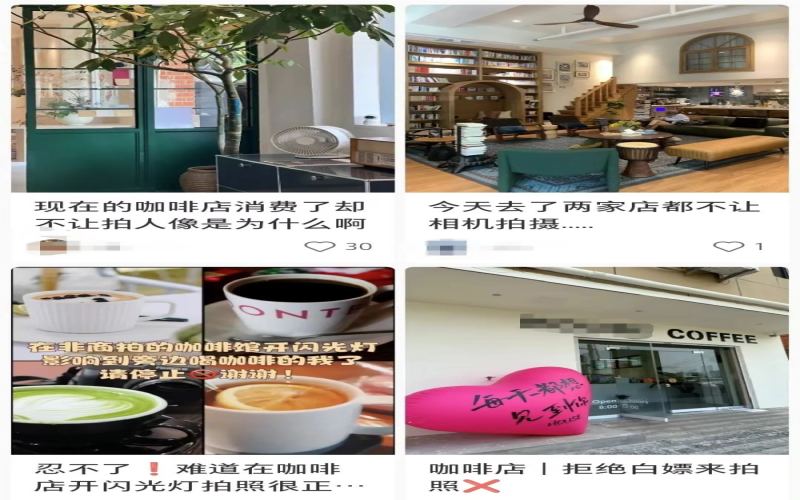
Café Photo Chaos Sparks Controversy: Owners Forced to Set Limits, How to Balance Customer Experience and Commercial Shoots
In the age of social media, coffee shops have become popular photo spots for young people. However, more and more cafés are explicitly posting "No Photography" signs, and staff will even actively discourage customers who are taking photos. Behind this phenomenon is the frustration of shop owners over professional photography teams taking up space, disrupting the environment, and affecting other customers. Ordinary consumers want to enjoy a quiet atmosphere, while photography enthusiasts pursue the perfect shot—how can the needs of both sides be reconciled? This article explores the conflicts triggered by photography in coffee shops and highlights how brands such as Front Street Coffee value the in-store experience. [more…]